
Between tight deadlines, long hours spent in front of a screen, and a tightly packed daily schedule that leaves little room for breaks, mindful eating is increasingly taking a back seat in the daily lives of many working professionals. Ready-made meals, quick snacks, and irregular meals characterize the daily lives of many people in Germany. Daily food choices have a significant impact on physical well-being, mental performance, and long-term health. What ends up on your plate each day plays a significant role in determining whether your body receives all the necessary nutrients in sufficient quantities or whether, instead, deficiencies gradually build up, which can have noticeable consequences in the long term. This guide highlights which nutrients are particularly often missing from modern diets, why fatty acids play a central role, and how you can improve your nutrient intake through specific everyday habits.
How Modern Life Is Gradually Changing Our Nutrient Intake
The shift away from fresh cooking toward industrially processed foods has far-reaching effects on the nutrient density of our meals. Highly processed foods provide calories but contain far fewer nutrients than fresh foods. At the same time, consumption of sugar, trans fats, and salt is rising significantly—three factors that, over the long term, can promote chronic inflammatory processes in the body and thus impair health.
The change in the quality of fats in our diet is particularly concerning. While earlier generations regularly consumed high-fat ocean fish, various nuts, and cold-pressed oils as an integral part of their diet, today’s cuisine is dominated primarily by sunflower oil and vegetable fats, which contain a particularly high proportion of omega-6 fatty acids. In the Western diet, the ratio of omega-6 to omega-3 fatty acids has shifted to about 15:1, although nutrition experts recommend a significantly lower ratio of no more than 5:1. This imbalance often goes completely unnoticed in everyday life for long periods of time because acute physical symptoms are initially absent and the effects only become apparent gradually. Possible consequences, such as chronic fatigue, difficulty concentrating, or silent inflammation, often do not become apparent until years later.
Which fatty acids are often lacking in our daily diet—and why this matters
EPA and DHA: Underappreciated Building Blocks
EPA and DHA are the most important long-chain omega-3 fatty acids. The body is barely able to produce these fatty acids on its own from plant-based precursors such as alpha-linolenic acid. The conversion rate is only 5 to 10 percent, which is why direct intake from marine sources is so valuable. EPA has been shown to contribute to normal heart function, while DHA, as a structural component of both brain cells and the retina, plays an important role in cognitive performance and vision. Those who do not regularly consume fish—and thus forgo an important marine source of nutrients—risk a noticeable deficiency in precisely these two essential fatty acids over time.
The Question of the Right Supplement
Given the widespread deficiency, many people wonder which omega-3 product is actually effective. Fish oil-based capsules deserve special attention because they provide EPA and DHA in a form that is already bioavailable. A recommended product is characterized by transparency regarding the origin of its raw materials, independent laboratory analyses, and the absence of unnecessary additives. User experiences confirm that supplements with clear organic certification and a traceable supply chain are often better tolerated and present a trustworthy overall profile. Anyone specifically looking for a reliable fish oil supplement will make an informed choice by opting for such a transparent product.
Omega-3 fish oil capsules as a targeted component of a mindful nutrition strategy
While dietary supplements are no substitute for a balanced and varied diet, they can effectively help fill specific nutritional gaps when daily meals do not meet all dietary needs. Fish oil capsules are particularly suitable for people who rarely eat saltwater fish, follow a vegetarian diet and therefore rely on algae oil alternatives, or who simply have an increased need—as can occur, for example, during intense physical activity. Several factors determine the choice of the right product.
When comparing suppliers, verifiable lab reports, clear ingredient listings, and certified production are key. Criteria such as transparent ingredient listings and independent quality testing by external laboratories can also be used to evaluate brands like natural elements if you wish to assess their products objectively. Regular intake over several weeks remains crucial, as omega-3 fatty acids only exert their effects through consistent consumption.
Five everyday habits that can help improve your omega-3 intake over the long term
Small changes with a big impact
Instead of completely overhauling your entire diet—which can quickly overwhelm many people and often leads them to give up in frustration after a short time—even small but targeted adjustments to individual meals can help, and these can be maintained long-term with minimal effort. The following five habits can be easily incorporated into your weekly routine:
- Two servings of fatty ocean fish (salmon, mackerel, herring) per week provide ample EPA and DHA.
- Use flaxseed oil or walnut oil as a dressing to get alpha-linolenic acid (a plant-based omega-3 precursor).
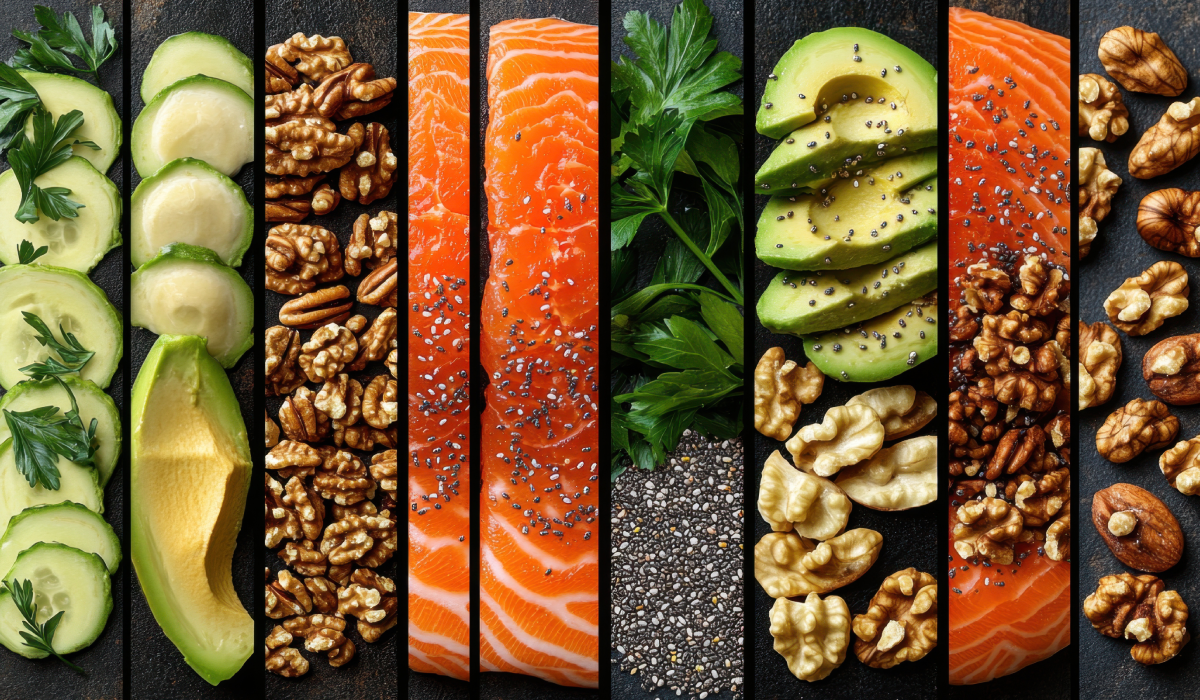
- Eat walnuts and chia seeds as a snack or as a topping for granola—30 g daily makes a noticeable difference.
- Reduce your intake of processed foods high in omega-6 and opt for fresh ingredients instead.
- If a deficiency has been confirmed, take a certified fish oil supplement daily in the morning.
Consistently following these steps will gradually improve the fatty acid ratio in your body. It’s important to remember that these changes aren’t a short-term diet but should be viewed as long-term habits. The dietary recommendations from the German Nutrition Society provide scientifically sound guidance to help you better assess your own needs and keep track of your intake of all macronutrients and micronutrients.
How to Tell If a Dietary Change Is Actually Having an Effect
Observe physical and mental signals
Changes in nutrient intake take some time to take effect. After four to eight weeks of improved omega-3 intake, many people notice less dry skin, better concentration, and more stable energy levels. Sleep quality can also improve noticeably, as DHA—an important fatty acid—plays an active role in regulating melatonin metabolism, which controls the body’s natural sleep-wake cycle.
The omega-3 index in the blood provides objective measurements. This value, also known as the omega-3 index, indicates the percentage of the two long-chain fatty acids EPA and DHA in the membranes of red blood cells, providing a reliable picture of the actual supply status over the past few weeks. An index of eight percent or higher is considered good; below four percent is considered deficient. Primary care physicians or specialized laboratories routinely offer this omega-3 index test, giving individuals the opportunity to assess their personal EPA and DHA status based on solid data and to reliably track their progress over an extended period of time.
How Long-Term Dietary Choices Shape Our Lifestyle
Conscious eating is neither about deprivation nor the pursuit of perfection, but rather about being mindful of what we consume daily and how it affects our bodies. It’s about questioning old habits and making changes where they have the greatest impact. Long-chain fatty acids support many bodily functions simultaneously. Those who incorporate small but consistent changes into their daily lives—whether by choosing better cooking oils, regularly snacking on nuts, or taking a targeted supplement with a certified fish oil product— lays the foundation for noticeably greater vitality and significantly better health in the years to come. The decision to eat better doesn’t begin at the supermarket in front of the shelf, but rather with the awareness that every single meal is a valuable opportunity to do something specifically good for your body.
Frequently Asked Questions
Which omega-3 capsules are recommended for daily use?
For a reliable supply, look for supplements with high concentrations of EPA and DHA. At natural elements, you’ll find high-quality omega-3 capsules sourced from sustainable wild-caught fish and tested for contaminants. Choose the triglyceride form over ethyl esters, as the body absorbs it much more effectively.
What should you look for when buying dietary supplements?
Look for independent lab testing, transparent information on the source of the ingredients, and a clear declaration of the active ingredient amounts per daily dose. Quality seals such as ISO certifications or test reports from third-party laboratories provide additional assurance. Avoid products with unnecessary additives such as artificial colors or high doses of magnesium stearate.
How can I meet my nutritional needs without expensive superfoods?
Local alternatives are often just as nutrient-rich as exotic products. Flaxseeds provide more omega-3 than chia seeds, rose hips contain more vitamin C than goji berries, and kale contains more antioxidants than many imported leafy greens. Seasonal vegetables from the farmers’ market are also fresher and retain more vitamins than produce that has been transported long distances.
How can I spot hidden sugars in processed foods?
Sugar is hidden behind over 70 different names, such as dextrose, high-fructose corn syrup, barley malt, or sucrose. Check the ingredient list carefully—the higher up a sweetener appears on the list, the higher its proportion. As a rule of thumb: You should be skeptical of products containing more than 10g of sugar per 100g, especially in savory foods like sauces or bread.
Which nutrients are most commonly lacking in a vegan diet?
Vitamin B12 is particularly critical, as it is found exclusively in animal products, as is iron in a readily absorbable form. Zinc, iodine, and selenium also often fall short of the recommended amounts without a deliberate selection of foods. A blood test after six months of following a vegan diet provides insight into your individual nutritional status and helps you make targeted adjustments.
Source: natural elements GmbH
Image source: #1382646118 kramynina / stock.adobe.com
Published on: 3 July 2026