
Just a few years ago, many gyms would have smiled wearily if you claimed that you wanted to seriously build muscle without meat, eggs and dairy products. The conviction that animal protein was the indispensable basis for strength, performance and muscle growth was too deep-seated. But the picture has now changed. More and more athletes are consciously opting for a plant-based diet - and not just for ethical or ecological reasons, but also out of sporting conviction.
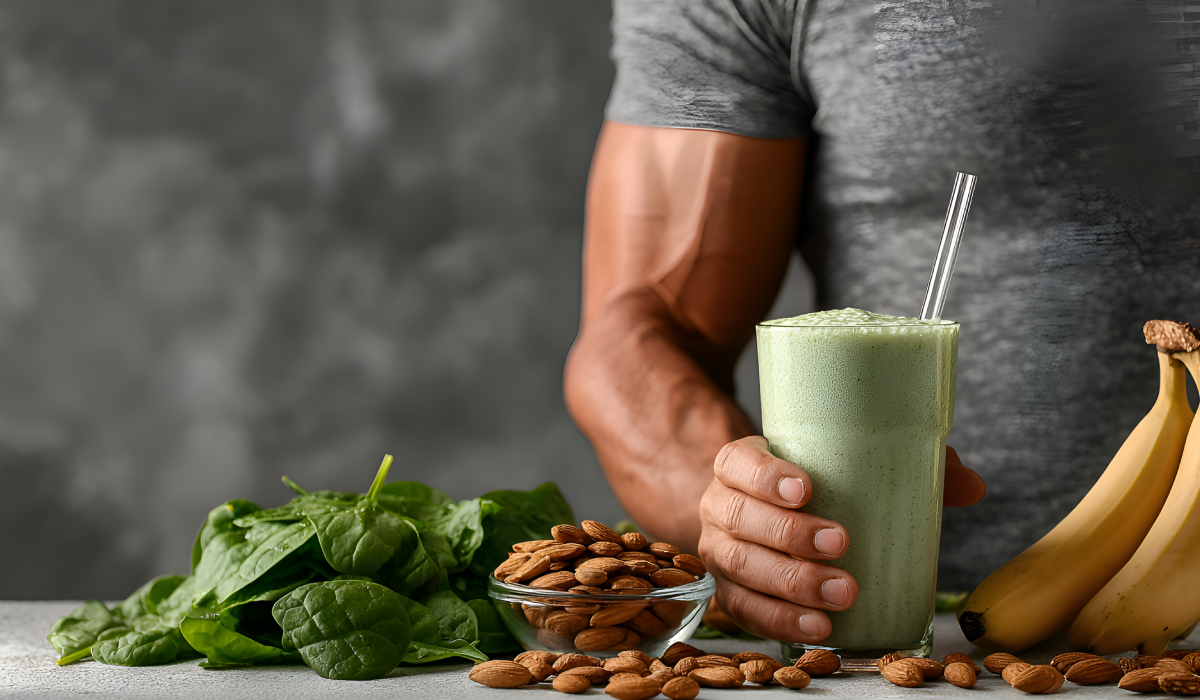
Nevertheless, the central question remains: Is it really possible to build muscle with a vegan diet or is it a well-marketed trend that doesn't stand up to the rigors of weight training? A closer look at the physiological principles, the current study situation and practical implementation shows: The answer is more nuanced than many think, but it is clear.
Muscle building: a process that requires more than just protein
In order to understand the role that nutrition - and vegan nutrition in particular - plays in muscle building, it is worth taking a brief look at the basic mechanisms in the body. Muscle growth does not simply occur through the consumption of certain foods, but is the result of a complex interplay of training, regeneration and nutrient supply.
During strength training, microscopic damage occurs in the muscle fibers. The body responds by repairing and strengthening these structures - a process known as muscular hypertrophy. In order for this process to take place efficiently, the body needs sufficient energy and, above all, amino acids, the building blocks of proteins.
This is where nutrition comes into play. It not only provides the necessary building blocks, but also influences hormonal processes and regeneration. However, it is not the origin of the protein that is decisive, but the quantity and composition of the amino acids consumed.
Vegetable protein in a fact check
One of the most persistent myths in the fitness sector is that plant-based protein is "incomplete" or inferior. In fact, many plant-based foods do not contain all the essential amino acids in optimal concentrations, but this statement falls short.
In practice, it is not individual foods that matter, but the diet as a whole. If you combine different plant-based protein sources, you can easily achieve a complete amino acid profile. Pulses, whole grains, nuts and soy products complement each other in such a way that the body receives all the necessary building blocks.
Modern nutritional science confirms this approach. Studies show that with a sufficient total protein intake, there is no significant difference in muscle building between a plant-based and animal-based diet. The decisive factor is therefore not whether the protein comes from a steak or from lentils, but whether the body gets enough of it.
The right amount: how much protein does the body really need?
For physically active people, the recommended protein requirement is significantly higher than the average for the general population. Depending on the intensity of your training and your goals, around 1.2 to 2.0 grams of protein per kilogram of body weight is recommended.
These values can also be achieved with a purely plant-based diet, although in many cases this requires a more conscious approach. While a large piece of meat offers a high protein density, plant-based foods are often bulkier and also contain fiber, which quickly fills you up.
This means that those on a vegan diet often have to eat larger quantities or select protein-rich foods. In practice, this can be done by regularly eating pulses, tofu, tempeh or plant-based protein shakes, for example.
Energy intake: the often underestimated factor
In addition to protein intake, total energy intake plays a key role in muscle building. Without a slight calorie surplus, the body cannot build new muscle structures, regardless of the type of diet.
This is a typical challenge of a vegan diet. Plant-based foods often have a lower energy density than animal products, but contain more volume and fiber. This can lead to athletes feeling full more quickly and unconsciously consuming too few calories.
The result is stagnant muscle growth, not because of a lack of protein quality, but because of an energy deficit. If you want to build muscle on a vegan diet, you should therefore pay particular attention to including enough high-calorie foods such as nuts, seeds, high-quality vegetable oils and complex carbohydrates in your diet.
Critical nutrients: What vegans should keep an eye on
As compelling as the benefits of a plant-based diet are, it does come with some nutritional challenges. Certain micronutrients are only available to a limited extent in plant-based foods or are less easily absorbed by the body.
Vitamin B12, iron, zinc, calcium and omega-3 fatty acids deserve special attention. Vitamin B12 plays a special role here, as it is found almost exclusively in animal products. Supplementation is therefore essential for vegans.
Iron is also a sensitive issue. Plant-based iron is absorbed less efficiently by the body than animal-based iron. However, bioavailability can be significantly improved by combining it with foods rich in vitamin C.
These aspects show: A vegan diet can provide the body with optimal nutrition, but requires knowledge and planning.
Training beats nutrition - but they only work optimally together
In the discussion about muscle building, one crucial point is often overlooked: Without the right training stimulus, even the best diet won't bring progress.
Progressive strength training, i.e. a continuous increase in load, is the central trigger for muscle growth. Nutrition supports this process by providing the necessary resources.
This also means that those who train poorly will not achieve optimal results, even with a perfect diet. Conversely, good training can be slowed down by an inadequate supply of nutrients. Only the interaction of both factors leads to success.
Vegan muscle building in practice
What does a working vegan strategy for muscle building look like in practice? The key lies in a balanced combination of planning, variety and adaptability.
Successful vegan athletes make sure to spread their protein sources throughout the day and combine different foods. This creates a constant supply of amino acids that optimally supports muscle building.
Meal structure also plays a role. Regular, well-structured meals help to reliably cover both energy and protein requirements. Plant-based protein supplements can also be used to simplify the supply.
Scientific perspective: what studies really say
The scientific data on vegan nutrition in weight training has expanded significantly in recent years. While it was often assumed in the past that animal protein was superior, current studies show a more differentiated picture.
No significant differences in muscle growth were found with a comparable protein intake and training load. Plant proteins are therefore quite capable of supporting the same adaptation processes in muscle tissue.
An important point here is the total intake of essential amino acids, in particular leucine, which plays a central role in muscle protein synthesis. This can also be supplied in sufficient quantities from plant-based sources, such as soy products or special protein mixtures.
Advantages of a plant-based diet in sport
In addition to the pure muscle-building question, a vegan diet offers further potential benefits. Many plant-based foods are rich in antioxidants and phytochemicals, which can have an anti-inflammatory effect. This can have a positive effect on regeneration and better compensate for training stress.
In addition, a plant-based diet is often associated with improved cardiovascular health. The high intake of fiber also supports digestion and general well-being.
These aspects make it clear that a vegan diet can not only work in sport, but can even offer benefits in certain areas.
Challenges: Where it can get difficult
Despite all the positive aspects, it is important not to underestimate the challenges. A vegan diet requires more planning and a better understanding of nutrients than a classic mixed diet.
Beginners in particular often make the mistake of simply omitting animal products without replacing them properly. This can lead to a lack of protein, energy or micronutrients.
The social aspect also plays a role. On the road or in everyday life, it is often more difficult to find suitable meals that meet the requirements of ambitious strength training.
Not a myth, but a question of implementation
The question posed at the beginning can now be answered clearly: building muscle with a vegan diet is not only possible, but scientifically well proven.
The decisive difference lies not in the type of diet, but in its implementation. If you plan your diet consciously, make sure you get enough protein and energy and close any nutrient gaps, you can build muscle just as effectively with a plant-based diet as with a classic mixed diet.
Perhaps this is the real insight: it is not the "what" that determines success, but the "how". And this "how" can - with the right knowledge - also be achieved excellently with a purely plant-based diet.
A look ahead
Vegan nutrition is no longer a niche topic, but a serious component of modern training concepts.
With growing research, better products and increasing acceptance, it is becoming easier and easier for athletes to achieve their goals without animal-based foods. Muscle building remains what it has always been: the result of hard work, clever planning and consistent implementation.
And that is precisely why the answer to the initial question is clearer than ever before: yes, muscle building is also possible vegan.
Editorial team fitnessmarkt.de
Image source: #/1924467926 patiporn / stock.adobe.com
Published on: 20 April 2026