
Protein plays a central role in any diet, especially if the goal is to reduce body fat while maintaining muscle mass. If you are in a diet phase, protein powder can be a valuable tool to help you achieve your goals faster and more effectively. In this article, we explain how protein powder can be incorporated into your diet and the benefits it has for your fitness goals.
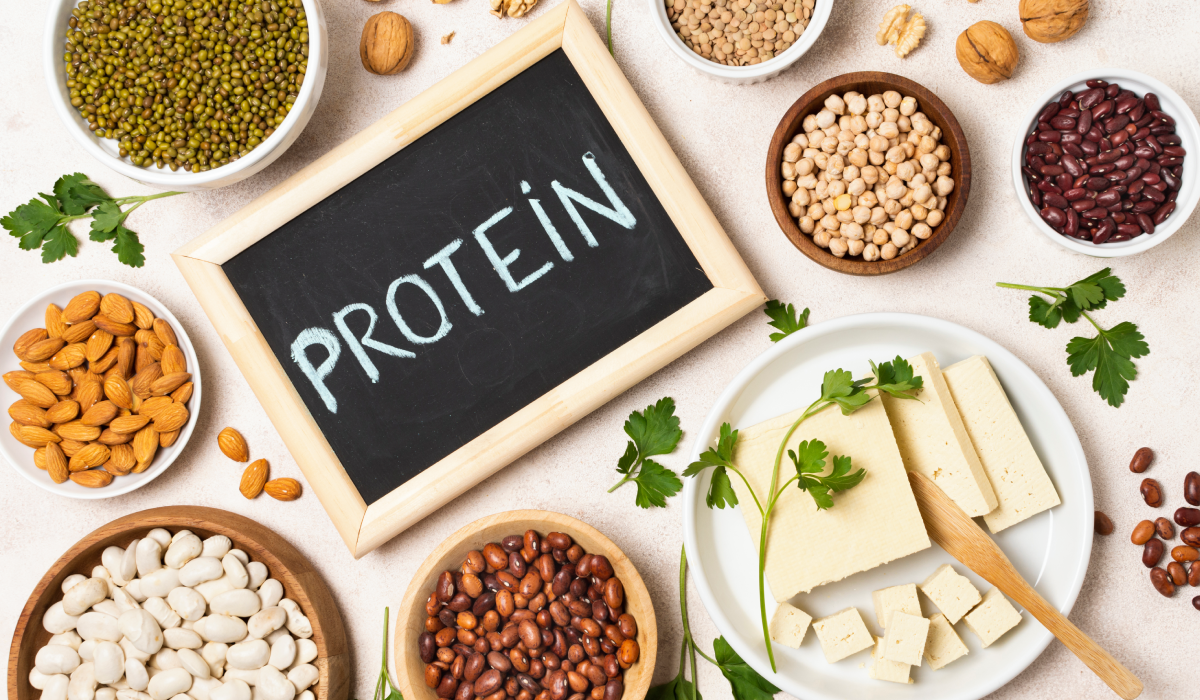
Protein as the basis for building and maintaining muscle
Protein is the main component of our muscles and is essential for building muscle. When you are dieting and cutting calories, there is always a risk that you will not only lose fat, but also valuable muscle mass. This muscle loss can lower your basal metabolic rate, making the diet less effective and making it harder to continue losing weight.
Adding protein powder to your diet helps to counteract this. It provides your body with the high-quality protein it needs to maintain and build muscle. Especially when you reduce your calorie intake, protein ensures that the body has to fall back on fat reserves for energy, while the muscles are spared. This preserves your muscle mass and you mainly lose fat.
Protein powder helps to control your appetite
One of the biggest challenges during a diet is cravings. Reduced calorie intake can lead to a constant feeling of hunger, which makes it harder to stay disciplined. This is where protein powder comes into play: protein has the ability to prolong the feeling of satiety and control appetite.
Protein-rich meals or snacks will make you feel fuller for longer and reduce the likelihood of consuming unnecessary snacks. A well-mixed protein shake can therefore not only serve as a substitute for a meal, but also as a snack between meals to help satisfy hunger. This means that you consume fewer calories overall and at the same time ensure that your body is sufficiently nourished.
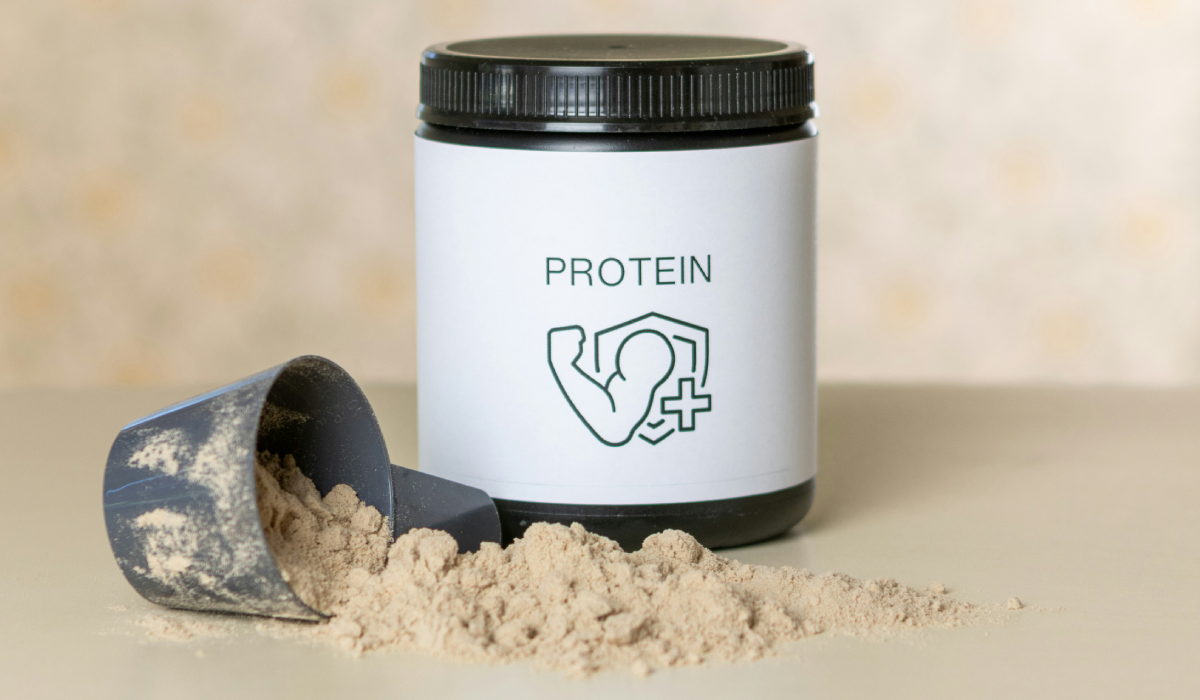
The ideal dosage of protein powder in the diet
A common misconception when using protein powder is that more is always better. In fact, it is important to consume the right amount of protein to achieve the desired results. The general recommendation is around 1.6 to 2.2 grams of protein per kilogram of body weight per day for people who are actively training and want to maintain muscle mass. During a diet phase, this amount can even be increased slightly to prevent muscle loss.
Adding protein powder to your daily plan helps to achieve this amount easily. A shake usually contains between 20 and 30 grams of protein, making it a convenient way to increase your intake. You can take protein powder in the morning, before or after strength training or as a snack between meals. It is important that you spread your intake throughout the day to ensure a constant supply.
Low-calorie protein shakes for dieting
Another advantage of protein powder during a diet is that many protein powder variants contain relatively few calories. With low-calorie protein shakes in particular, it is easy to increase your protein intake without breaking your calorie balance. This allows you to cover your protein requirements without consuming additional calories from other macronutrients such as carbohydrates or fats.
On the Rossmann website you will find a large selection of protein powders and protein shakes that are especially suitable for dieters. These products not only offer a high protein concentration, but are also available in different flavors, which makes preparation varied and enjoyable. This can be a quick and tasty way to meet your protein needs and support your diet goals.

Practical tips for integrating protein powder into your diet
To get the most out of your protein powder, you should strategically integrate it into your daily routine. Here are some practical tips:
Before or after training: a shake immediately after training provides your muscles with the necessary amount of protein for recovery. A shake before training can also provide you with an extra portion of energy and protein for your muscles.
Replace meals: In particularly hectic times, a protein shake can replace a meal without you having to miss out on important nutrients. A quick shake is particularly suitable for breakfast or lunch to get your day off to a protein-rich start.
Snacks in between meals: Use protein shakes as a snack between meals to satisfy your hunger and increase your protein intake at the same time. This way you can prevent cravings and support your diet at the same time.
Source: Dirk Rossmann GmbH
Image sources: #5494399 freepik / freepik.com // #26346055 Drazen Zigic / freepik.com // #R23MqZKCBcM Aleksander Saks / unsplash.com
Published on: 7 January 2026