
Anyone who works out regularly knows this: Without the right nutrition, even the toughest workouts won’t live up to their full potential. Muscles don’t grow in the gym, but during recovery—and that’s exactly where nutrition plays a key role. The right nutrient intake determines your progress. This guide offers practical advice on which nutrients really matter, when certain foods are most beneficial, and why even seemingly insignificant factors can have a major impact. In this way, training and nutrition become a well-coordinated partnership.
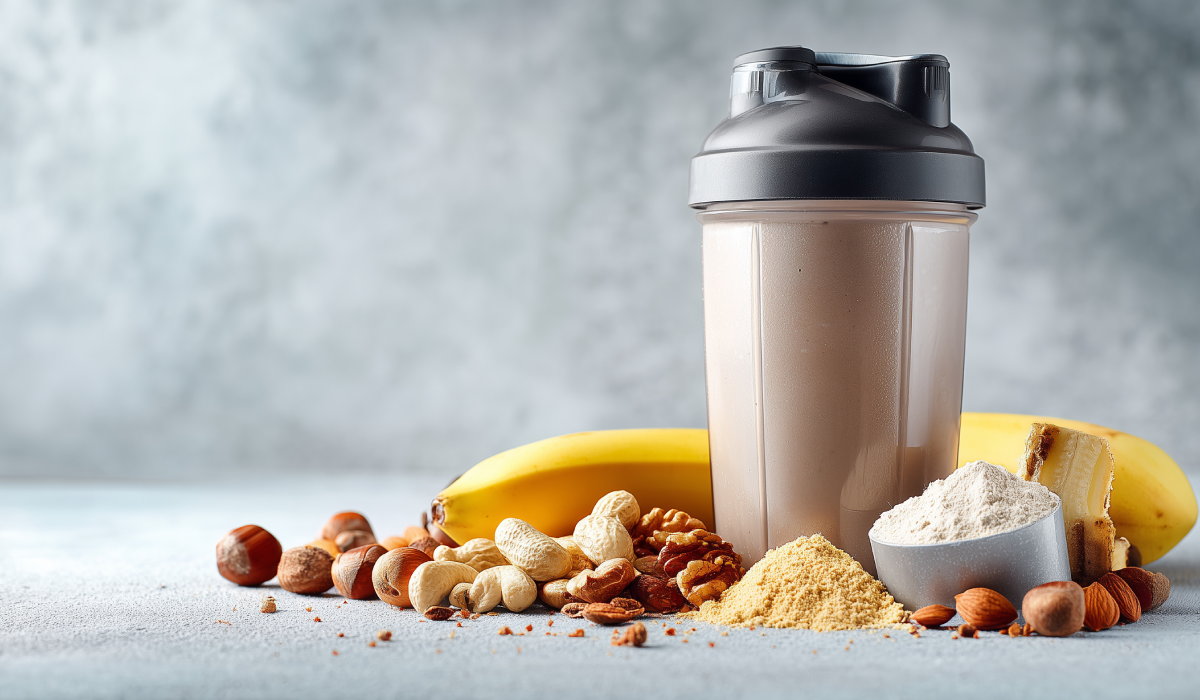
Why the Right Nutrition Determines Your Training Success
Any physical activity consumes energy and puts a significant strain on your muscles. What you eat afterward determines how well your body recovers and gets stronger. It’s not just about protein and carbohydrates—it’s also about getting enough minerals like magnesium. If the body lacks the necessary building blocks for recovery, it will inevitably draw on its own reserves, causing muscle growth to stall and overall performance to decline noticeably.
The interplay between energy intake and energy requirements plays a particularly important role. Those who want to specifically build muscle need a slight calorie surplus, while those who want to reduce body fat must maintain a moderate calorie deficit to make progress. However, calorie count alone is not enough.
These factors significantly influence training success:
1. Consume sufficient protein to repair stressed muscle fibers
2. Full glycogen stores ensure consistent performance
3. Adequate hydration boosts metabolism and concentration
4. Stick to regular meals instead of long periods of fasting
Focus on macronutrients: Use proteins, carbohydrates, and fats wisely
Depending on your goals, you should consciously combine these three main nutrients, as they each serve different functions. Proteins provide the building blocks for muscle tissue, carbohydrates serve as a quick source of energy, and fats support hormone balance and cellular functions.
Protein as the Foundation for Muscle Building
Protein is the most important nutrient for anyone who wants to maintain or build muscle. Good sources include lean meat, fish, eggs, legumes, and dairy products. How much you actually need depends on the intensity of your training. If you’d like to know more about the recommended intake, our article on the optimal amount of protein for muscle building offers helpful guidance. Generally, 1.4 to 2 grams per kilogram of body weight is considered a reasonable guideline for active people.
Getting the Right Balance of Carbohydrates and Fats
Carbohydrates are the preferred fuel during intense exercise. Whole-grain products, oatmeal, and starchy vegetables provide long-lasting energy and help stabilize blood sugar levels. Especially before endurance sessions—such as when working out on various cardio machines —having well-stocked glycogen stores pays off. Fats shouldn’t be avoided, but rather chosen carefully: Nuts, avocados, and plant-based oils provide valuable fatty acids that the body needs for numerous processes.
Timing is everything: What to eat before and after your workout
Results depend on both the choice of food and the timing of your meals. Before your workout, an easily digestible, carbohydrate-rich meal that provides your body with enough fuel for the upcoming exertion ensures sufficient energy without putting a strain on your stomach, which could cause discomfort during physical activity. Bananas with yogurt or oatmeal one to two hours beforehand are a proven choice.
After exercise, there’s a window of time during which the body absorbs nutrients particularly efficiently. Protein and carbohydrates promote recovery and replenish energy stores.
If you want to provide your body with the right nutrients after your workout, the following meals—which provide protein and carbohydrates—are particularly good choices:
5. Low-fat quark with fresh berries and a spoonful of honey
6. Chicken breast served with rice and fresh vegetables
7. A slice of whole-grain bread with an egg and avocado
8. A homemade shake made with milk, banana, and rolled oats
Always adjust portion sizes to fit your goals.
Minerals and Muscle Function: The Underestimated Factor for Your Fitness Goals
In addition to macronutrients, minerals play a key role in ensuring your muscles function smoothly. One particularly important mineral is magnesium, which is involved in muscle contraction, nerve signaling, and energy metabolism. During intense training, your body’s need for magnesium increases because valuable minerals are lost through sweat.
A deficiency in this important mineral can manifest as painful muscle cramps, persistent fatigue, or a noticeable decline in physical performance—symptoms that many people initially struggle to identify correctly. People who sweat a lot should therefore ensure an adequate intake by consuming magnesium-rich foods such as nuts, legumes, and whole-grain products, or by taking appropriate supplements.
Which magnesium supplement should you buy?
When choosing a supplement, the compound is the most important factor. Organic forms such as citrate or bisglycinate are considered well-tolerated and are reliably absorbed by the body. Combination supplements that bundle multiple compounds cover a broad spectrum and can be flexibly integrated into daily life. You should also look for transparent labeling, an appropriate dosage, and the absence of unnecessary additives. Among the manufacturers dedicated to this field is Nature Love, whose supplements are valued for their clean formulations and verified quality—an approach that resonates well with athletes. If you’d like to learn more about the basics, the official nutritional guidelines for athletes provide sound advice on nutrient intake during physical activity.
Your Practical Nutrition Roadmap for Sustainable Progress
A diet that’s consistently adapted over the long term is more effective than short-term diets or individual “miracle” foods. Planning your daily routine wisely saves time and helps you stay consistent over the long haul. Planning, regularity, and a healthy dose of flexibility are key—so you don’t have to sacrifice enjoyment.
These basic principles help you align your personal eating habits with your individual goals in a consistent and sustainable way, so that long-term success can actually be achieved:
9. Prepare meals in advance to avoid spontaneous unhealthy choices
10. Choose fresh, minimally processed foods
11. Drink plenty of fluids, ideally water or unsweetened tea
12. Listen to your body’s signals and distinguish between hunger and appetite
Progress rarely happens overnight. Patience and nutrition as part of your training routine create a solid foundation for long-term success. Small, consistent adjustments that fit well into your daily routine are far more effective in the long run than radical changes, which may seem promising at first but are rarely sustainable over an extended period in practice. In this way, the kitchen—where daily meals are carefully planned and prepared—becomes a reliable partner on the path to your personal fitness goals, allowing each individual workout to be as effective as possible.
Frequently Asked Questions
How many meals a day are ideal for building muscle?
There’s no set number that works for everyone, but three to five meals spread throughout the day help many people who work out maintain a consistent protein intake. More important than the exact number is ensuring that the total amount of nutrients throughout the day is adequate. Those who are prone to cravings often do better with more frequent, smaller portions rather than three large meals.
How does lack of sleep affect your nutrition goals when working out?
Lack of sleep increases feelings of hunger by causing an imbalance in the hormones ghrelin and leptin, which promotes cravings for unhealthy foods. At the same time, insulin sensitivity decreases, making it harder for nutrients to be transported to the muscles. If you optimize your diet but don’t get enough sleep, you’re working against your own fitness goals.
How long before a workout should you eat your last meal?
As a rule of thumb, allow about two to three hours after a full meal so that digestion doesn’t interfere with your workout. For smaller snacks, half an hour is often sufficient, especially if they contain easily digestible carbohydrates. Your individual digestive rhythm plays a major role here and should be determined through trial and error.
What are some common mistakes beginners make with nutrition in strength training?
A common mistake is overestimating protein intake while neglecting carbohydrates and fats, even though both are equally important for energy and recovery. Many also underestimate how quickly a calorie deficit can develop due to a lack of tracking, which hinders progress. Hydration is also often overlooked, especially on days with intense workouts.
Which magnesium supplement is suitable for athletes engaged in intense training?
During intense physical activity, magnesium requirements increase because the mineral is lost through sweat and is simultaneously needed for muscle function and to reduce fatigue. A high-dose magnesium complex can help specifically meet this increased need. Nature Love offers capsules that combine several magnesium compounds.
Source: Tauron Ventures GmbH
Image source: #2101818447 KotBaton / stock.adobe.com
Published on: 28 July 2026