
While fitness fairs celebrate performance, discipline and visible results, there are human bodies that defy this logic. "A common misconception is that sufferers simply need to exercise more to lose weight," says Laura Bernunzo, lipoedema coach at S-thetic. For her, this is precisely the central misconception that many women struggle with. At FIBO in Cologne, she wants to provide information and open up a debate between training optimization, medical reality and false expectations.
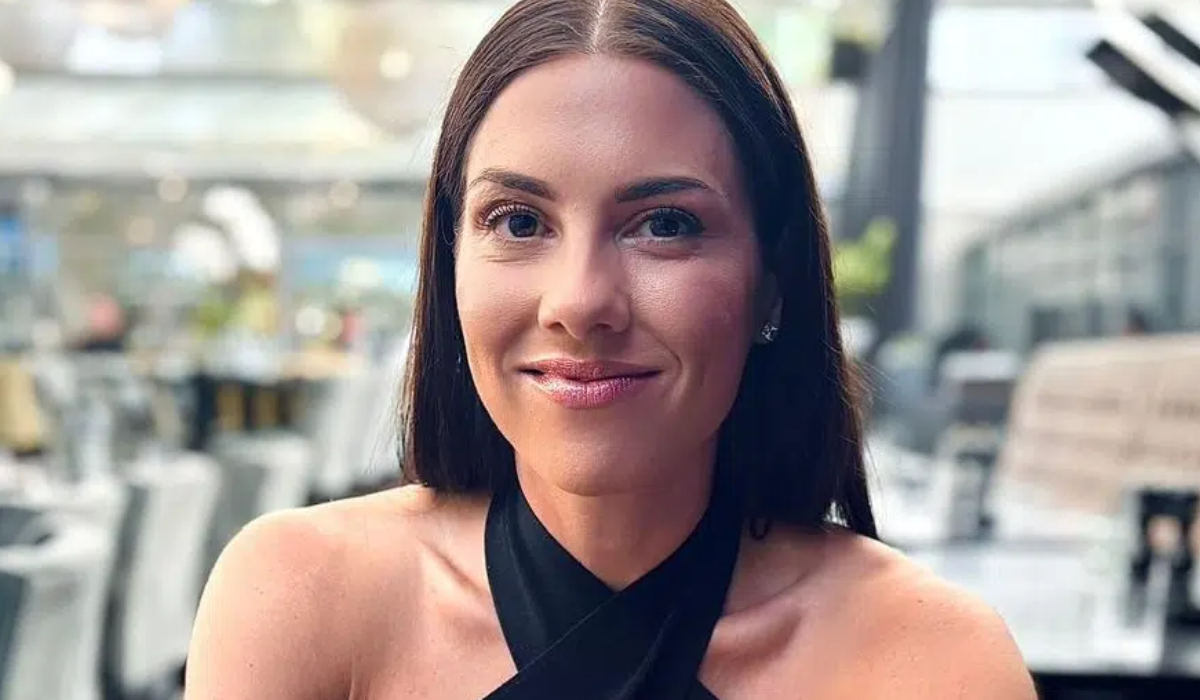
S-thetic is back at FIBO this year. What motivated you to take part again?
We received a very positive response last year and a lot of encouraging feedback. It was particularly important for us to raise awareness of lipoedema and increase the visibility of this condition. At a fitness trade fair like FIBO in particular, we meet many women who have been exercising intensively for years but have not achieved the desired results. This is exactly where we want to raise awareness: A healthy lifestyle with exercise and nutrition is essential, but there are conditions such as lipoedema where certain areas of the body do not respond in the conventional way despite all efforts.
What specifically do you expect from your presence at FIBO 2026?
Our aim is to continue to raise awareness of lipoedema and to provide affected women with comprehensive information. We want to show that there are ways to actively do something about it. At the same time, we want to make our method better known: liposuction under local anesthesia. This does not require general anesthesia, is performed on an outpatient basis and allows for a significantly shorter downtime. In addition, the skin is tightened using a laser, which further improves the treatment result.
What misconceptions do you encounter in connection with lipoedema and sport?
A common misconception is that those affected simply have to do more sport to lose weight. Many women have had this experience and have been stigmatized accordingly. However, lipoedema involves abnormal fat cells that do not participate in the normal metabolism. A calorie deficit can lead to general weight loss, but only up to a certain point. The affected areas remain, as these fat cells cannot be reduced by conventional means. In such cases, only liposuction can help in the long term.
What do your patients say about their experiences with sport before and after the diagnosis?
Many of our patients - including numerous lipoedema coaches - are very sporty. Before the diagnosis, they often exercised a lot without seeing the desired results. After the diagnosis, many consciously reduce their exercise levels as they understand that lipoedema cannot be "trained away". Patients who have already undergone surgery, on the other hand, report very positive results: after the operations, sporting successes become visible again, especially muscle definition. As the abnormal fat has been removed, the body can respond more effectively to training again. Many also report less discomfort, more freedom of movement and an overall easier and more carefree sporting activity.
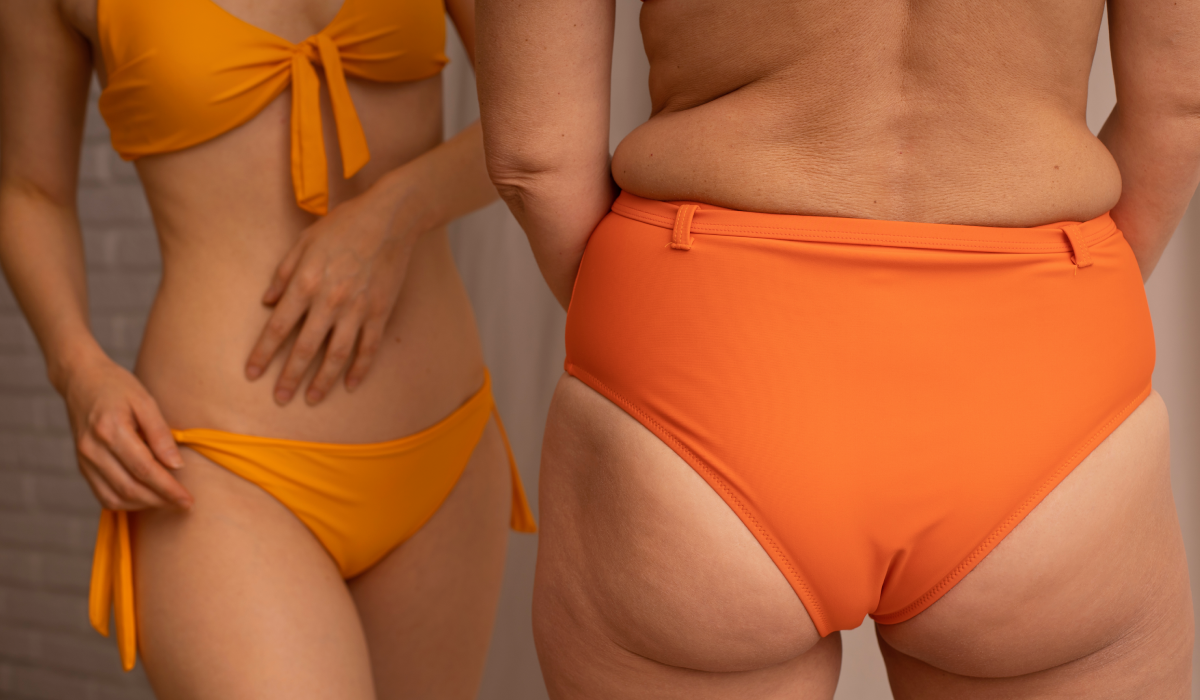
Are there sports that are particularly suitable for lipoedema sufferers? Are there forms of exercise that can be counterproductive?
Our observations show that intensive strength training with very heavy weights is not always beneficial. Muscle building can push the lipoedema fat layer outwards, which can visually lead to an increase in volume. As the abnormal fat is not reduced, the body appears wider overall. Gentler forms of exercise such as Pilates, yoga or bodyweight training, on the other hand, have proven to be positive. They support the connective tissue and fascia and also have less of an effect on cortisol levels than very intensive forms of training such as HIIT.
What role does sport also play mentally in dealing with lipoedema?
Sport plays a key role both physically and mentally in dealing with lipoedema. Exercise supports the lymphatic system, promotes blood circulation and contributes to general fitness. At the same time, sport has a positive effect on mental health: It boosts self-confidence, promotes a positive body image and helps to develop a clearer and more stable way of dealing with the condition. Many sufferers report that sport gives them structure, motivation and emotional stability and accompanies them on their journey with the disease.
What specific message would you like to give visitors who meet you at the stand?
It is particularly important for us to convey that those affected are not to blame for their condition. Lipoedema is a medical diagnosis and not a personal failure. At the same time, we want to encourage people: The disease is not the end, there are solutions. Our patients and coaches show impressively that an active, symptom-free life is possible again after treatment. We recommend that you take your time to deal with the issue and consider conservative measures first. If liposuction is being considered, we would like to allay any fears: Nowadays, the procedure is gentle and can offer a real prospect of a better quality of life.
About Laura Bernunzo:
Laura Bernunzo is head of the lipoedema division at S-thetic and a lipoedema coach.
Source: S-thetic Holding GmbH
Image sources: S-thetic Holding GmbH / #62419310 freepik.com
Published on: 7 April 2026