
Anyone who devotes themselves intensively to fitness training knows that the actual increase in performance does not happen during the training session, but in the regeneration phases. This is exactly where modern regeneration methods such as sauna, infrared and cryotherapy come in - each with its own physiological concept and individual benefits. In this article, you can find out which method will take you the furthest and how you can make the most of the trends.
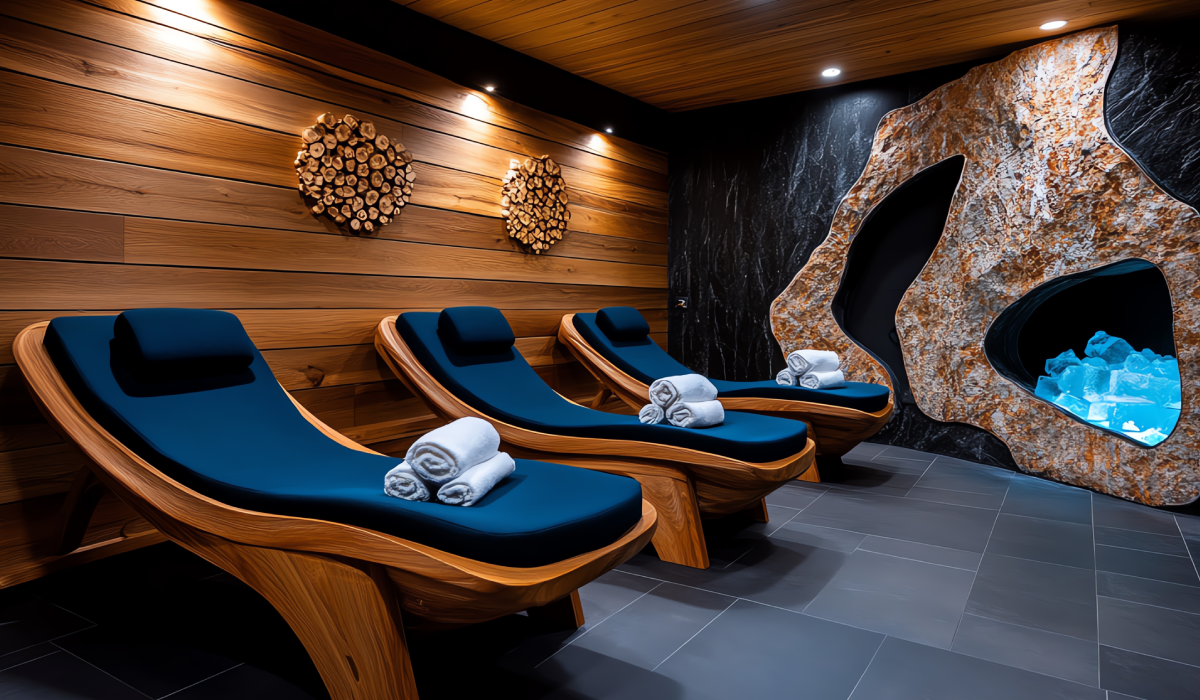
Sauna after training - tradition and new insights
The sauna has long been a firm favorite with many professional and recreational athletes. After training, many go straight into the hot cabin - a ritual that is based on centuries of experience but is also recommended by modern sports physicians. The high ambient temperature in the sauna has been proven to stimulate blood circulation, relax the muscles and support the elimination of metabolic by-products that accumulate in the body during intense exercise.
Studies also confirm this: Regular sauna sessions, around two to three times a week after intensive training sessions, not only improve regeneration, but also increase muscle growth and adaptation to training. Several research projects have even been able to prove that repeated visits to the sauna measurably increase endurance performance and sustainably support the adaptation of the cardiovascular system.
Particularly noteworthy: the sauna not only promotes physical recovery, but also helps you to switch off mentally. The conscious calming of the cardiovascular system after the workout and the subsequent heat phase act like a small "reset button" for body and mind.
Practical tip:
After training, you should give your body a few minutes to calm down before going into the sauna. Two to three moderately long sauna sessions per week are ideal for helping you to regenerate.
Infrared therapy - deep heat with modern technology
Infrared therapy, especially with long-wave (far) infrared rays, is increasingly used in the sports sector to accelerate muscle regeneration. Unlike traditional saunas, infrared radiation penetrates deeper into the tissue and heats the muscle structures directly rather than the air. Numerous athletes swear by the technique, mainly because it works more precisely and promises intensive regeneration in a limited amount of time.
A study from 2023 shows that the use of FIR lamps can restore muscle strength and proprioception (depth sensitivity) faster than passive recovery after intensive exertion. Maximum voluntary contraction strength returned to baseline after 72 hours, while muscle soreness and creatine kinase activity were significantly reduced.
In addition, infrared and red light therapy promote the production of anti-inflammatory cytokines and thus help to specifically accelerate the healing processes after micro-injuries. Practical experience shows that those who use infrared after hard workouts can noticeably reduce muscle soreness, pain and exhaustion. The method is becoming increasingly popular as a supplement to classic heat treatment.
Practical tip:
Infrared therapy is particularly suitable for selective muscle regeneration, for example after speed or strength training. A session of 20-30 minutes after training, once to three times a week, can significantly speed up recovery.
Cryotherapy or cold therapy - regeneration through extreme temperatures
The counter-model to heat is cryotherapy: here the body is exposed to extreme cold for seconds to a few minutes, usually in a cold chamber or through targeted ice treatments. This method has become established in competitive sports, particularly for the rapid reduction of inflammation, pain and swelling. Athletes and endurance athletes use the cold to recover more quickly after hard days of exertion.
Current studies show mixed results: While muscle regeneration after intensive exercise can indeed be promoted and lactate elimination accelerated, the sustainable increase in performance remains controversial. Many studies point to a good pain-relieving effect, but at the same time there are indications that excessive cold applications could possibly inhibit the natural inflammatory reaction and thus healing somewhat.
Cryotherapeutic application shows effective pain reduction and can help to overcome sore muscles more quickly after training. Cold treatment is particularly useful directly after acute injuries or tough competitions to limit swelling and inflammation.
Practical tip:
You should use cryotherapy with caution and with an individual view of your training intensity. A trip to the cold chamber or targeted ice treatments can speed up recovery, but should not become routine after every workout.
Current trends: integration into your everyday fitness routine
Nowadays, personalized and multimodal strategies dominate. Sports physicians and coaches recommend combining methods depending on the training phase and objective. In modern fitness studios, the sauna and cold chamber are often part of the standard offer - the infrared cabin is on the rise and is becoming increasingly popular in private households or as a mobile solution.
Practical reports and experiences
Many athletes and trainers report noticeable benefits from regular sauna sessions and targeted infrared treatment. In competitive sports, endurance athletes swear by the rapid effects of cryotherapy after hard days of training. Practical examples show: Those who consistently pay attention to the individual needs of their muscles and integrate regeneration as an integral part of their training program will benefit from sustained increases in performance and better injury prevention.
The key lies in intelligent selection: Not every method is suitable for every day or every training phase. The best strategy is often a targeted combination - adapted to the intensity of your session and your own recovery needs.
Scientific recommendations and quality assessment
The current study situation shows: The sauna has been tried and tested many times and is widely recognized for improving regeneration and the immune system. Infrared therapy offers scientifically proven, efficient support for selective muscle regeneration and pain-relieving treatments. Cryotherapy has particularly useful effects after stress peaks, but should be used as a complementary medical method and not misunderstood as an everyday routine.
Recommendations for practice
Use sauna sessions after training for comprehensive muscular and mental regeneration, especially for endurance and strength sports.
Use infrared specifically after intensive muscle strain to quickly overcome pain and sore muscles.
Cryotherapy is particularly recommended after acute stress peaks or to relieve inflammation, for example after long competitions.
Combine the methods to achieve synergy effects: First heat to loosen up, then cold for targeted pain relief.
Final thought: your path to effective regeneration
Ultimately, it is crucial that you see regeneration as an integral part of your everyday fitness routine and select the methods according to your individual training plan and condition. The sauna brings relaxation, better blood circulation and a strong immune system. Infrared accelerates muscle healing and specifically reduces pain. Cryotherapy helps you to get fit again quickly after peak exertion, but should be used in moderation.
Science and practice agree - the quality of your regeneration determines whether and how you stay fit in the long term.
Editorial team fitnessmarkt.de
Image source: #936458326 Thanyarat / stock.adobe.com
Published on: 19 September 2025