
The knee is one of the most complex joints in the human body and bears a large part of the body's weight when running, walking, standing or climbing. This constant strain leads to degenerative processes that make the knee more susceptible to injury and pain as we age.
Therefore, everyone needs to understand how ageing affects their knee joints. This makes it easy to take preventative measures to avoid faster degeneration at a young age and possibly maintain mobility in old age.
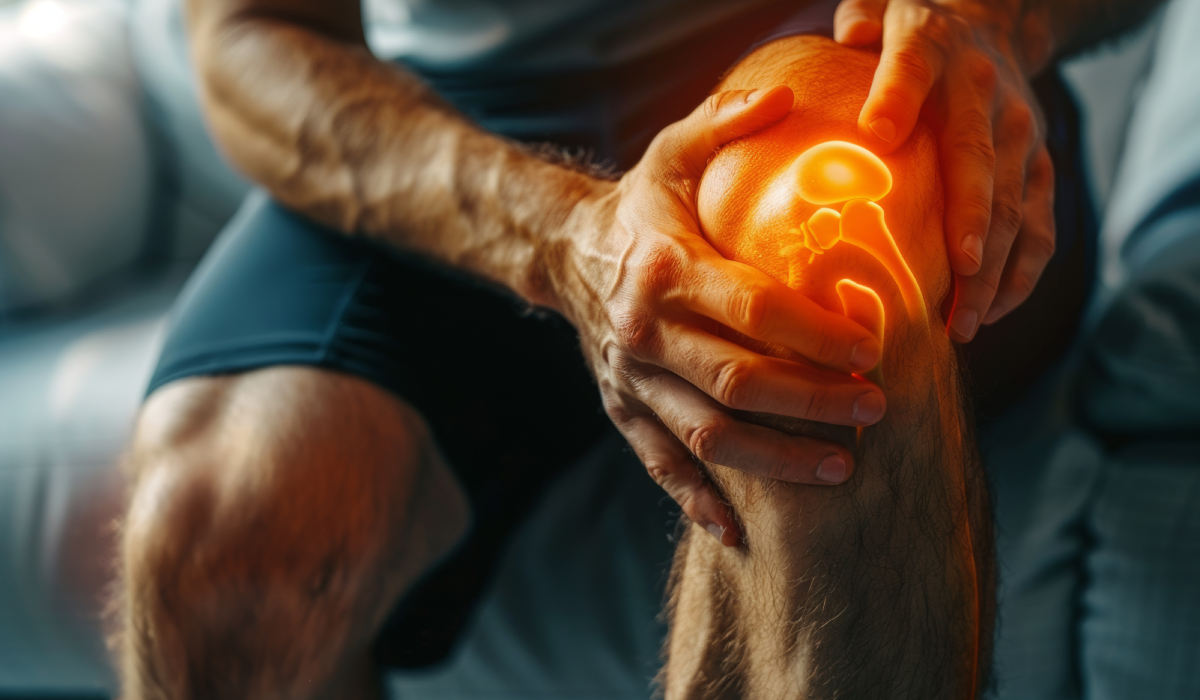
Understanding how ageing contributes to knee pain: an overview
Aging has a significant impact on the entire body, especially the knees. As we age, natural changes can occur in muscles, bones and joints that increase the risk of knee pain. The pain can be caused by wear and tear, joint deterioration or other age-related factors.
Here are some ways that aging can contribute to knee pain:
1. age-related changes in knee structure
As we age, the bones in the knee, such as the femur, patella and tibia, change along with the cartilage, tendons, fluid-filled bursae and ligaments. These changes are
Wear and tear of the cartilage
The articular cartilage, which covers the ends of all the bones in the knee and ensures smooth movement, often becomes thinner and breaks down with age. This thinning can lead to osteoarthritis.
Joint space narrowing
When the cartilage becomes thinner, the bones come into contact with each other, especially during movement. This leads to excessive bone friction, which can result in knee stiffness, inflammation and pain.
Tendon and ligament degeneration
Tendons and ligaments can lose elasticity and strength with increasing age. This often increases the risk of tears and strains, especially with minor injuries or sudden movements.
Loss of bone density
Ageing contributes to a decrease in bone mineral density, making the bones in the knees susceptible to joint damage and fractures. This is particularly common in post-menopausal women.
2 Osteoarthritis
This is one of the main causes of discomfort and pain in the knee, especially in older adults. It is characterized by the formation of bone spurs and the breakdown of cartilage. The main factors contributing to this degenerative joint disease include cumulative joint wear and tear, inflammation and reduced repair capacity.
Cumulative joint wear and tear is caused by decades of walking, weight bearing and bending the knee. Over time, this increases the wear and tear on the cartilage.
In addition, increased inflammatory mediators in the human body trigger increased inflammatory responses that contribute to joint damage. With increasing age, the body's ability to repair itself also decreases, making it more difficult for the knee cartilage to regenerate.
3. muscle weakness and imbalance
The knee is surrounded by several muscles, including the hamstrings, calf muscles and quadriceps, which play an important role in distributing pressure and stabilizing the joint. As we age, the strength and mass of these muscles decreases, reducing their support function. This increases tension and pain in the knee joint when walking or running.
In addition, some people may have muscle imbalances where the thigh muscles are stronger than the quadriceps. This can lead to incorrect movement of the joints, causing discomfort and strain.
4 Joint lubrication and reduced flexibility
As we age, soft tissues such as ligaments and tendons surrounding the knee tend to become stiff and lose flexibility. This often leads to a feeling of tightness in the knee, making it difficult to bend the knee, especially after prolonged inactivity. In addition, as we age, the synovial fluid, which is responsible for lubricating the joints and reducing friction, often decreases. With decreasing quantity and quality, movement restrictions can occur, leading to joint wear and discomfort.
5. increased body weight
Older people are more likely to gain weight due to their slower metabolism and reduced physical activity. This often has a detrimental effect on knee health, as the extra weight puts considerable strain on knees that are already subject to natural degeneration. For example, obesity promotes systemic inflammation and mechanical stress on the knees, which can contribute to chronic pain and joint degeneration.
6. cumulative minor injuries
Over the years, some people suffer minor injuries, particularly to the knee, which often go untreated. These injuries include sprains and strains, patellar dislocations and meniscus tears. Without proper treatment, these minor injuries can lead to long-term instability, uneven wear and tear of the joint and altered gait, which can lead to chronic knee pain as we age.
7 Changes in posture and gait
Older people tend to unconsciously change their gait and posture to compensate for weakness in the lower limbs and pain in the spine. These changes often lead to an uneven distribution of body weight on the knee, putting more stress on some parts of the knee joint than others.
8 Systemic medications and diseases
Chronic conditions such as rheumatoid arthritis, diabetes and gout can become more common with age and contribute to knee pain. For example, diabetes can reduce blood flow to the joint tissues and increase pain and inflammation.
In addition, rheumatoid arthritis, which is autoimmune in nature, can cause knee pain as we age. Also, certain blood pressure medications and corticosteroids can weaken joint tissue and bone over time, making a person more susceptible to knee pain.
Strategies to prevent and protect your knees from pain as you age
Although aging is inevitable, certain strategies can help to potentially reduce the risk of knee pain as we age.
These include:
Maintain a healthy weight to minimize mechanical stress on the knees.
Stay active by regularly engaging in sports that are easy on the joints.
Focus on strength training for the thigh muscles and quadriceps.
Flexibility and stretching exercises can help to maintain joint mobility in the long term.
Wearing supportive shoes, especially when jogging and running, can be crucial in reducing stress on the knees.
Treat chronic conditions such as arthritis, diabetes and high blood pressure properly to potentially bring them under control.
Conclusion
Aging leads to many changes in muscle strength, joint health, and overall flexibility and mobility, which ultimately increases the likelihood of knee pain. For this reason, it is important to understand potential changes and take proactive measures to reduce discomfort and maintain knee function. Through regular physical activity, a healthy lifestyle and early treatment of knee injuries and problems, you may be able to increase the likelihood of remaining independent and mobile as you age.
Source: BLACKROLL AG
Image source: #821925288 Lucianastudio / stock.adobe.com
Published on: 2 December 2025