
These days, fitness is no longer limited to indoor gyms. Whereas in the past, air-conditioned workout spaces with weight machines, class rooms, and cardio areas were almost exclusively in demand, today more and more people are looking for workouts that can be integrated more flexibly into their daily lives while also offering a unique experience. That’s why outdoor exercise is experiencing a real boom. Whether it’s functional training in the park, boot camp classes, or outdoor yoga—exercising under the open sky has long been more than just a passing trend.
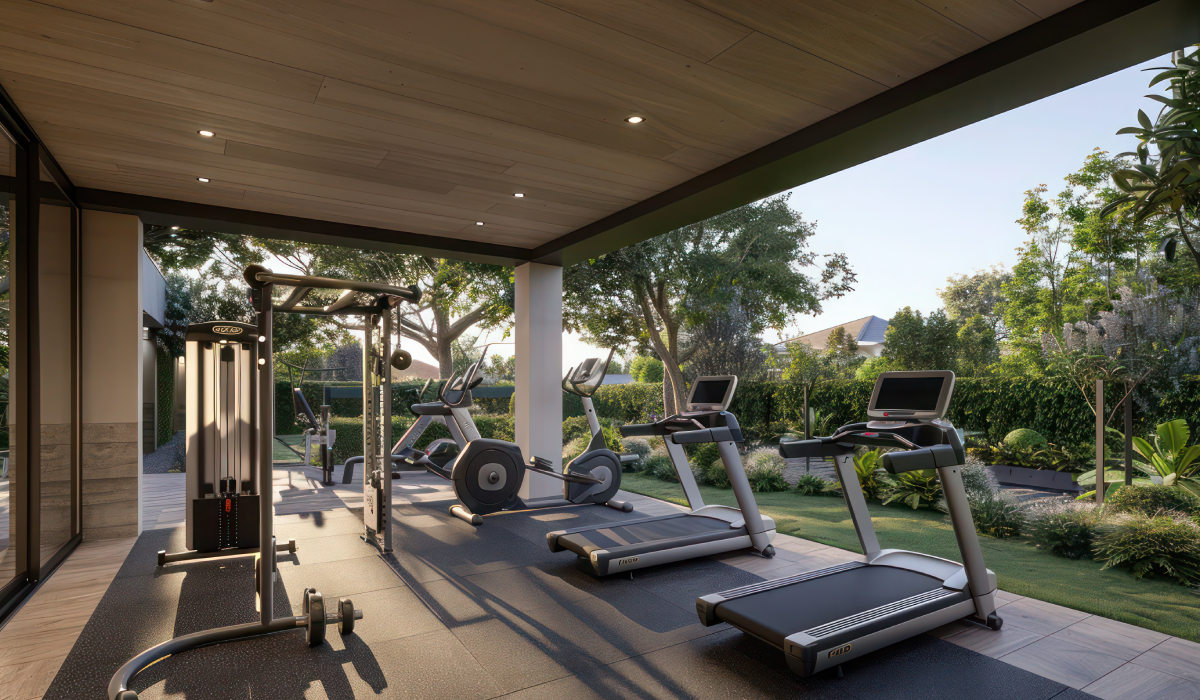
This benefits not only athletes but also fitness centers, hotels, rehabilitation centers, companies, and local governments. Professional outdoor gyms that combine modern training equipment with the natural environment are popping up more and more frequently. But is the investment actually worth it? What are the costs involved? Which target groups can be reached? And which concepts are particularly successful?
This article explains why outdoor fitness is now far more than just a nice addition to the traditional gym—and why it can pay off financially for many operators.
The Desire for More Freedom in Training
Just a few years ago, the gym was considered virtually the only option when it came to professional strength training. Today, the expectations of many exercisers have changed. They want to decide for themselves when and where they train. At the same time, the training experience plays an increasingly important role.
Fresh air, sunlight, and nature have been proven to have a positive effect on well-being. Many people find working out outdoors more motivating and varied than working out indoors. There’s also another psychological effect: People who exercise outdoors often associate physical activity more strongly with leisure and quality of life than with a chore.
For fitness providers, this very shift opens up new opportunities. An outdoor gym expands the range of offerings and creates real added value without replacing the traditional gym. Rather, the two training environments complement each other perfectly.
What exactly is an outdoor gym?
Today, the term “outdoor gym” encompasses much more than just a few pull-up bars or a fitness trail. Modern facilities consist of professional training stations specifically designed for long-term outdoor use.
Depending on the concept, the following areas can be created:
Strength training on weather-resistant equipment
Functional training zones
Calisthenics facilities
Cardio stations
Stretching and mobility areas
Outdoor free-weight areas
Circuit training areas
Boot camp areas
Many manufacturers now offer complete outdoor circuit training systems that are virtually indistinguishable from indoor equipment in terms of training quality. Stainless steel, galvanized steel, special powder coatings, and high-quality bearings ensure that the equipment can be used year-round.
Why Outdoor Fitness Is Booming
This success is no accident. Several trends are reinforcing one another. For one thing, health awareness among the general public is steadily growing. More and more people want to exercise regularly but don’t feel drawn to traditional gyms. On the other hand, the COVID-19 pandemic has permanently changed the behavior of many exercisers. Outdoor training suddenly became the only option, and many discovered just how enjoyable it can be to exercise outside of enclosed spaces.
Social media also plays an important role. Photos and videos of outdoor workouts often attract significantly more attention than traditional gym photos. The workouts appear more dynamic, natural, and authentic. Younger target groups, in particular, associate outdoor fitness with a modern lifestyle.
Which target groups benefit?
A major advantage of an outdoor gym is that it can appeal to several target groups at once.
For existing members, this initially provides added value. Those who prefer to work out outdoors in the summer or simply want to enjoy some fresh air now and then don’t have to forgo professional equipment. This often boosts motivation to exercise as well.
It’s easier to attractnew members through the outdoor offerings. People who feel uncomfortable in traditional gyms or are hesitant to join often find the open atmosphere much more pleasant.
Personal trainers also benefit enormously. Outdoor spaces allow for varied one-on-one training sessions or small-group classes with professional equipment.
There are also interesting opportunities for families. While children play on adjacent playgrounds or take part in special activity programs, parents can work out.
Seniors represent another important target group. Modern outdoor equipment is ideal for balance, mobility, and strength training in later life.
Even companies are increasingly discovering outdoor gyms as a tool for workplace wellness programs.
Investment Costs—What Should Operators Expect?
One of the most common questions is, of course: How much does an outdoor gym cost? There is no one-size-fits-all answer, as the investment amount depends heavily on the desired scope. Small functional training areas often start in the range of 10,000 to 20,000 euros. Those who want to install several professional strength training machines should expect to invest between 40,000 and 100,000 euros. Large, premium facilities with numerous stations, flooring, lighting, canopies, and lounge areas can cost significantly more than that.
In addition to the actual training equipment, there are other costs: foundation work, flooring, lighting, drainage, landscaping, signage, planning, permits, and installation.
Nevertheless, the investment is often lower than that of a comparable indoor expansion. After all, there’s no need to create new building space or rent gyms.
Operating costs remain manageable
Once the facility is set up, operating costs are comparatively low. Professional outdoor equipment is designed to last for decades. Maintenance intervals are usually longer than for traditional fitness equipment. Of course, regular safety inspections must be conducted. In addition, bolted connections, bearings, and surfaces should be checked. Cleaning, minor repairs, and maintenance of the outdoor facilities are also part of this. Overall, however, the ongoing costs are often surprisingly low.
Outdoor Gym as a Marketing Tool
Many operators initially view outdoor fitness solely as an additional training space. In fact, however, an outdoor gym has another enormous advantage: it is an excellent marketing tool.
An attractive outdoor area draws attention. Passersby see people working out, stop to take a look, and learn about what’s on offer. While traditional gyms are often hidden behind building facades, outdoor workouts are out in the open.
This creates compelling content, especially on social media. Photos at sunset, functional training in green spaces, or group classes under the open sky have a much stronger emotional impact than traditional gym photos. Outdoor spaces thus almost automatically produce high-quality content for Instagram, Facebook, or LinkedIn.
New Revenue Streams Emerge
An outdoor gym doesn’t have to be available exclusively to existing members. Many operators are developing standalone business models based on this concept.
Popular options include: outdoor boot camps, personal training packages, corporate fitness programs, vacation programs, athletic training for sports clubs, running groups followed by strength training, health classes, and preventive health programs.
Even workshops or small sporting events can be held exceptionally well at a professional outdoor facility. This generates additional revenue without the need to create additional indoor space.
Real-World Success Stories
More and more fitness centers are reporting positive experiences.
For example, a medium-sized gym is expanding its outdoor area to include a functional training zone with several racks, climbing structures, and weather-resistant strength equipment. Just a few months after opening, nearly all outdoor classes are fully booked.
Another gym has set up an outdoor circuit specifically for seniors. The open atmosphere helps many older adults overcome their hesitation about strength training. At the same time, member retention has improved significantly.
Hotels are also increasingly investing in high-quality outdoor fitness areas. Today’s guests expect more than just a small fitness room in the basement. Modern training facilities with a view enhance the appeal of the entire property.
Rehabilitation facilities, in turn, use outdoor equipment specifically for mobility and coordination exercises. Training outdoors is motivating and supports the therapeutic approach.
Local governments are creating publicly accessible fitness parks that are used by young and old alike. These facilities often become popular gathering places.
Which pieces of equipment are particularly suitable?
Not every piece of equipment from the gym can simply be moved outside. Outdoor equipment must meet specific requirements. Multifunctional stations, where various exercises can be performed, are particularly popular. They offer an excellent balance between investment and training variety. Calisthenics facilities are also very popular. They appeal to both beginners and ambitious athletes. These are often supplemented by weather-resistant leg presses, chest presses, rowing machines, or cross-trainers. Functional training usually forms the centerpiece of modern outdoor gyms. Kettlebells, battle ropes, medicine balls, and TRX systems create nearly unlimited training possibilities.
Weather—Is It Really a Problem?
Many operators fear that outdoor facilities will only be used in the summer. However, experience shows a different picture. Of course, usage decreases in snow or heavy rain, but many members still enjoy training outdoors in the fall and winter. Functional training, in particular, generates enough body heat. Canopies, windbreaks, and modern flooring also significantly extend the time members can use the facilities.
Permits and Safety
Before construction begins, operators should check the building code requirements early on, as different permits may be required depending on the state. Safety standards and regular maintenance are equally important. Professional manufacturers already supply their facilities in compliance with current standards for public exercise equipment. Proper installation is nevertheless essential. Insurance coverage and regular maintenance records should go without saying.
Sustainability as an Added Benefit
More and more fitness companies are prioritizing sustainability. Outdoor gyms can support this goal. Since fewer air-conditioned indoor spaces are needed, energy consumption decreases. Many manufacturers also use durable materials such as stainless steel or recyclable metals. Photovoltaic systems and rainwater harvesting can also be easily integrated into modern outdoor concepts.
Assessing Cost-Effectiveness Correctly
The initial purchase price should never be considered in isolation. What matters far more is the long-term impact. If an outdoor gym attracts additional members each year, retains existing customers for longer, enables additional classes, and simultaneously serves as a marketing tool, the investment often pays for itself faster than expected. Added to this is the boost to the gym’s image. Modern fitness providers have long since moved beyond simply selling equipment or workout plans. They sell experiences. A high-quality outdoor area conveys innovation, quality of life, and flexibility—qualities that are more compelling to many prospective members today than traditional gyms.
More Than Just a Trend
Outdoor gyms are no longer just a short-lived fad. They reflect a fundamental shift: people want to stay active without having to choose between professional training and experiencing nature.
This opens up numerous opportunities for operators. A well-planned outdoor gym expands the range of offerings, attracts new target groups, strengthens customer loyalty, and at the same time ensures significantly higher visibility in the market. Although implementation requires an initial investment, the costs are often manageable compared to traditional indoor expansions—especially when existing outdoor spaces can be utilized.
The key to success lies not only in high-quality equipment but in a cohesive overall concept. Those who plan training areas thoughtfully, offer attractive classes, and actively integrate the outdoor area into their marketing strategy create a real competitive advantage. Especially in an era where individuality, health, and experience are becoming increasingly important, an outdoor gym can be far more than just an addition to the studio: it becomes a visible flagship that attracts new members and delights existing customers.
Developments in recent years clearly show that outdoor fitness is here to stay. For many operators, the question is therefore no longer whether they should invest in an outdoor gym, but when the right time to do so is.
Editorial Team, fitnessmarkt.de
Image source: #877746775 Ramzan / stock.adobe.com
Published on: 13 July 2026