
Fitness studio operators know this: Training equipment is far more than just an investment - it forms the foundation of the member experience and plays a key role in shaping a gym's image. Over time, even the best machines wear out, and sometimes a single breakdown is enough to affect the entire training operation. Delaying a replacement may seem like a cost saving in the short term, but it often leads to major losses - both economically and organizationally.
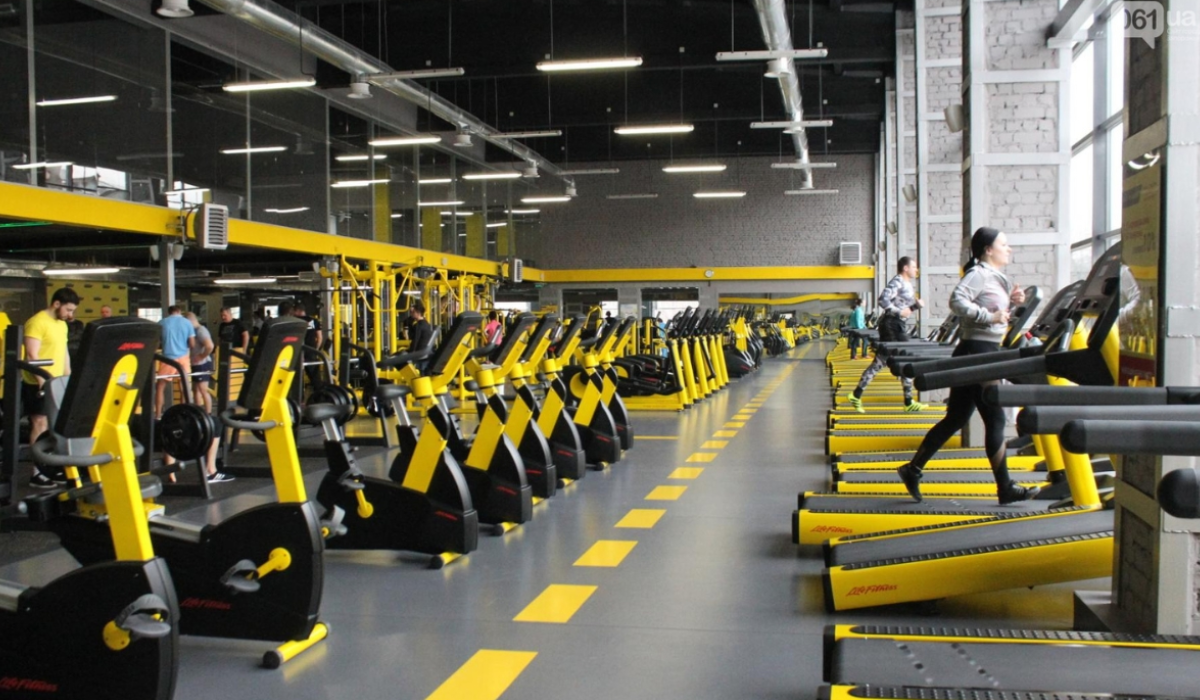
When technical problems become a member issue
A faulty device is more than just a technical problem. Every day that a central device is out of order means longer waiting times in busy areas, growing dissatisfaction among members and an increased risk of contract interruptions or terminations. Members rarely express their dissatisfaction directly - they simply stop renewing their membership. Even a single device out of order during peak times can lead to a measurable drop in sales of several percent per month.
Quick action ensures stability and trust
Acting quickly when devices break down is therefore not a matter of convenience, but an investment in stability and member loyalty. Quickly replacing defective devices within a few days instead of weeks signals professionalism and a sense of responsibility. Functioning, modern equipment ensures a smooth training process, reduces complaints and contract interruptions and contributes to positive reviews and recommendations. From a business perspective, timely replacement is often more cost-effective than repeated repairs or the loss of dissatisfied members.
Planning and speed as success factors
When breakdowns occur, speed and planning are crucial. Replacing equipment does not necessarily have to lead to downtime, as long as the process is structured. Successful studio operators rely on proactive management: they identify the equipment with the highest utilization, define alternatives for these training zones and maintain relationships with several suppliers in order to be able to react flexibly and quickly if necessary. Regular technical inspections enable early detection of wear and tear or mechanical problems, thus reducing the risk of serious breakdowns. It is also advisable to set aside a small proportion of the monthly income as a maintenance reserve in order to remain capable of acting in the event of unexpected replacement purchases. Observing the market and taking advantage of stock or sales promotions can also help to shorten delivery times and maintain ongoing operations.
Practical example: Rapid replacement of equipment pays off
A practical example illustrates this connection: a medium-sized gym belonging to a fitness chain in a city with a population of around 200,000 recorded the simultaneous failure of two key pieces of strength equipment - a leg press and a lat pull-down. Both machines were heavily used and a repair would have required several weeks of waiting for spare parts. The impact was immediate: queues formed during peak times, trainers had to adjust training schedules and several members requested rest periods on their contracts. Management opted for immediate replacement with new equipment that was available at short notice. The entire process - from selection to installation - took just three days. The result: waiting times in the leg area were reduced by over 30 percent, the cancellation rate stabilized and there was no loss of sales due to dormant memberships. Members also praised the fast and professional approach. This example shows that quick decision-making processes and the willingness to replace defective devices immediately can protect both turnover and member trust in the long term.
Regular maintenance as the key to success
Regular equipment checks and timely replacement purchases are key components of efficient studio management. Well-maintained equipment ensures trouble-free operations, fewer complaints and greater customer satisfaction. A structured procurement process - supported by reliable partners and short delivery times - helps to maintain service quality even in emergencies. In the long term, proactive maintenance and rapid replacement not only protect a studio's economic performance, but also its reputation.
Investment in quality and continuity
Replacing worn-out equipment should therefore not be seen as a cost factor, but as an investment in service quality and operational continuity. A fast, well-planned response to equipment breakdowns ensures satisfied members, lower cancellation rates and smooth studio operations - day after day.
For further information or individual advice, please do not hesitate to contact us:
+48 33 486 90 07
sklep@fitnessclub24.pl
All offers from Fitness Club 24 on fitnessmarkt
Source and image source: Fitness Club 24
Published on: 13 November 2025